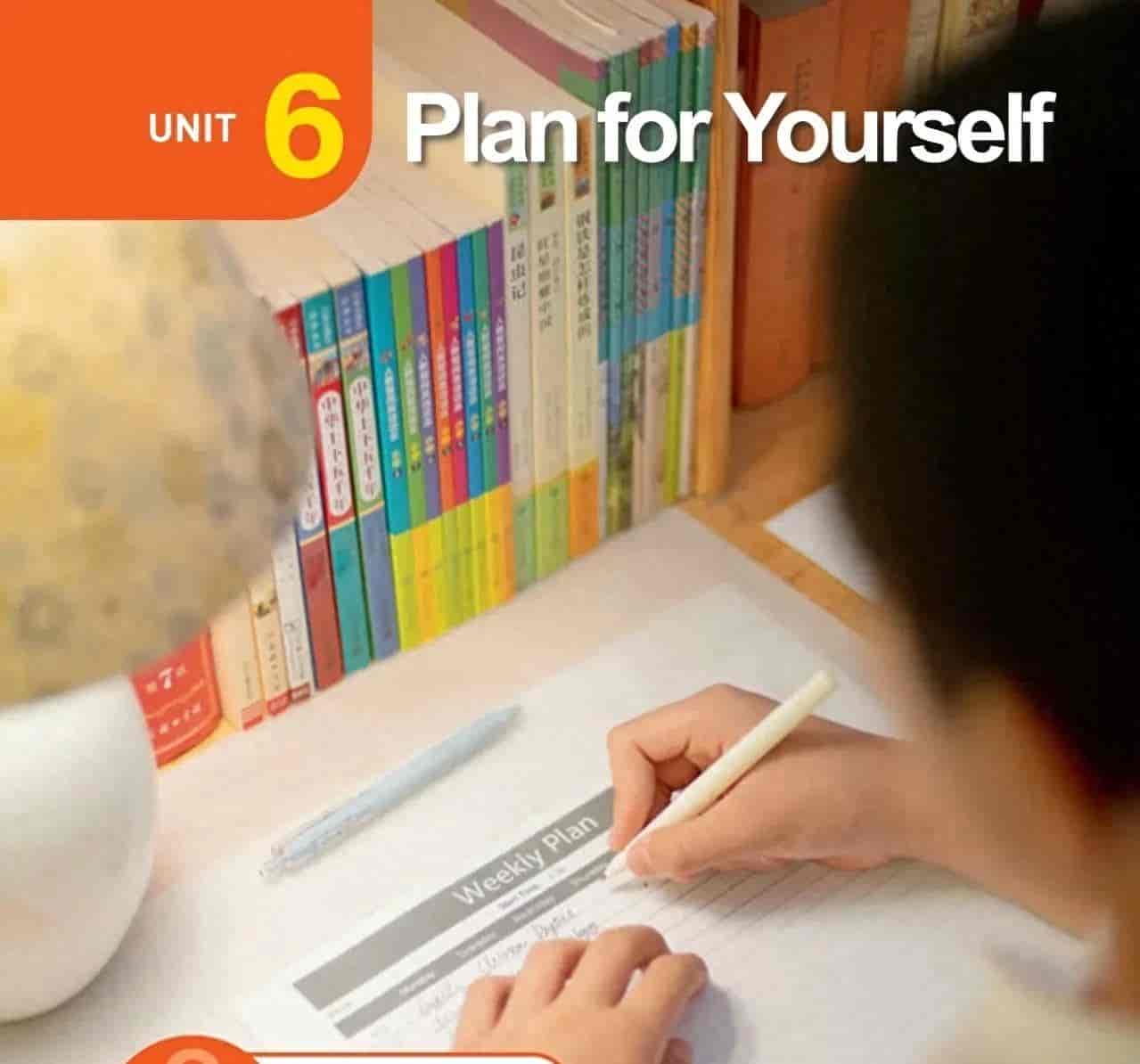
Unit 6 Plan for Yourself
yourself /jɔːˈself/ pron. (pl. yourselves /jɔːˈselvz/) 你自己;您自己
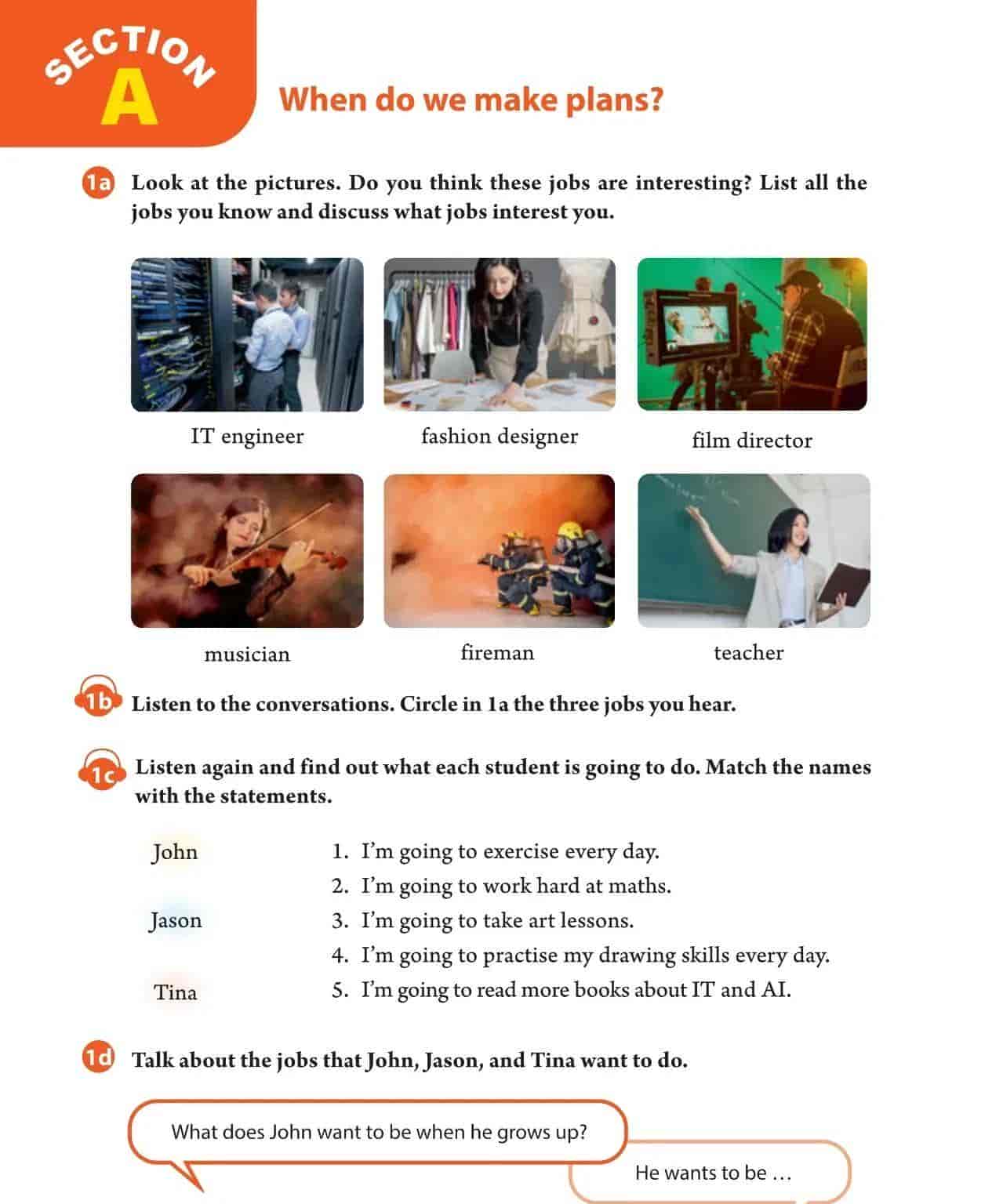
engineer /ˌendʒɪˈnɪə(r)/ n. 工程师;技师
fashion /ˈfeɪʃn/ n. 时装业;时尚
designer /dɪˈzɑmə(r)/ n. 设计师
director /dəˈrektə(r); daɪˈrektə(r)/ n. 导演;主任;董事
musician /mjuˈzɪʃn/ n. 音乐家;乐师
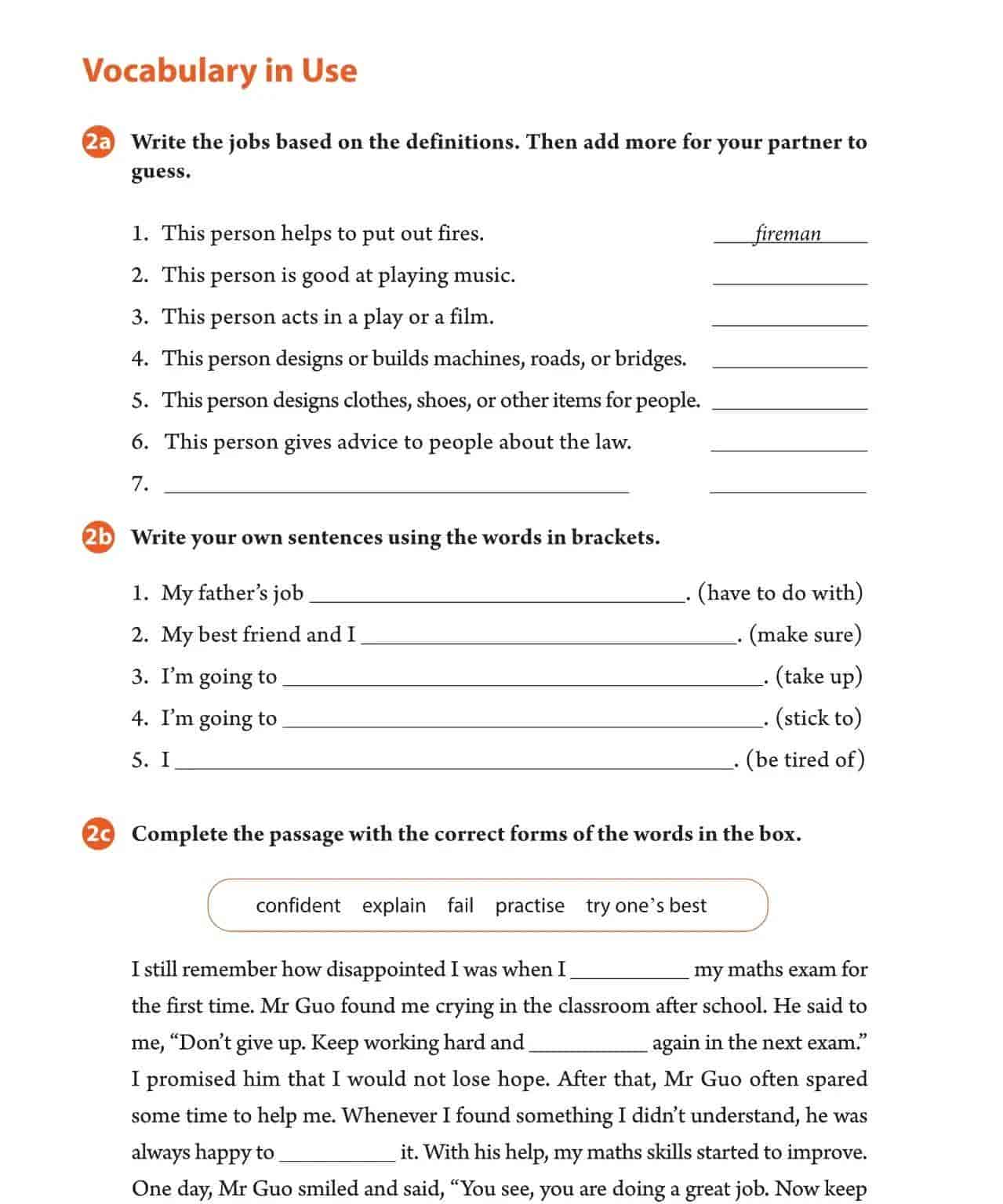
fireman /ˈfaɪəmən/ n. (pl. firemen /ˈfaɪəmən/) 消防队员
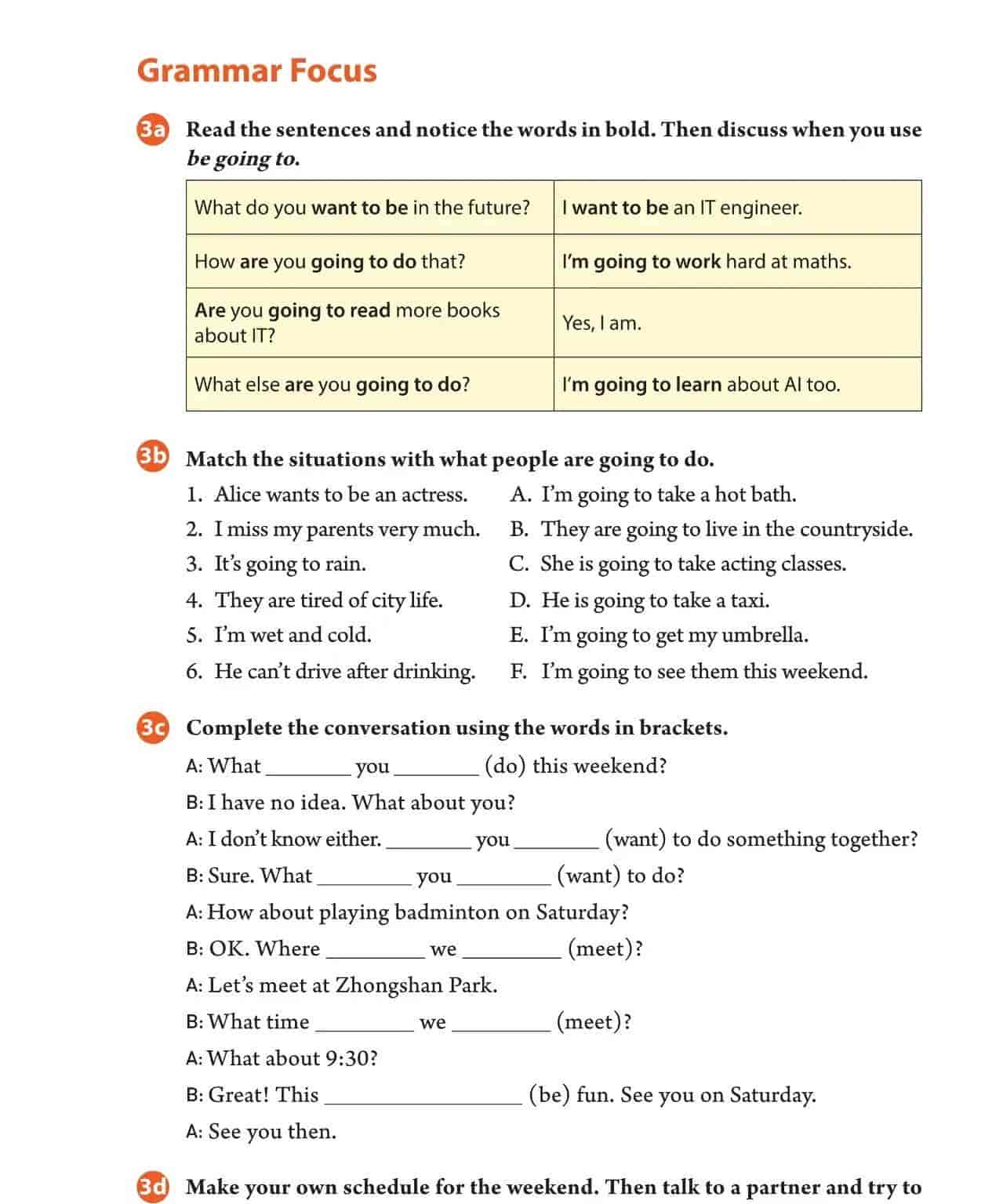
AI /eɪˈaɪ/ (= artificial intelligence /ˌaɪtɪˈfiəl mˈtelədʒəns/) 人工智能
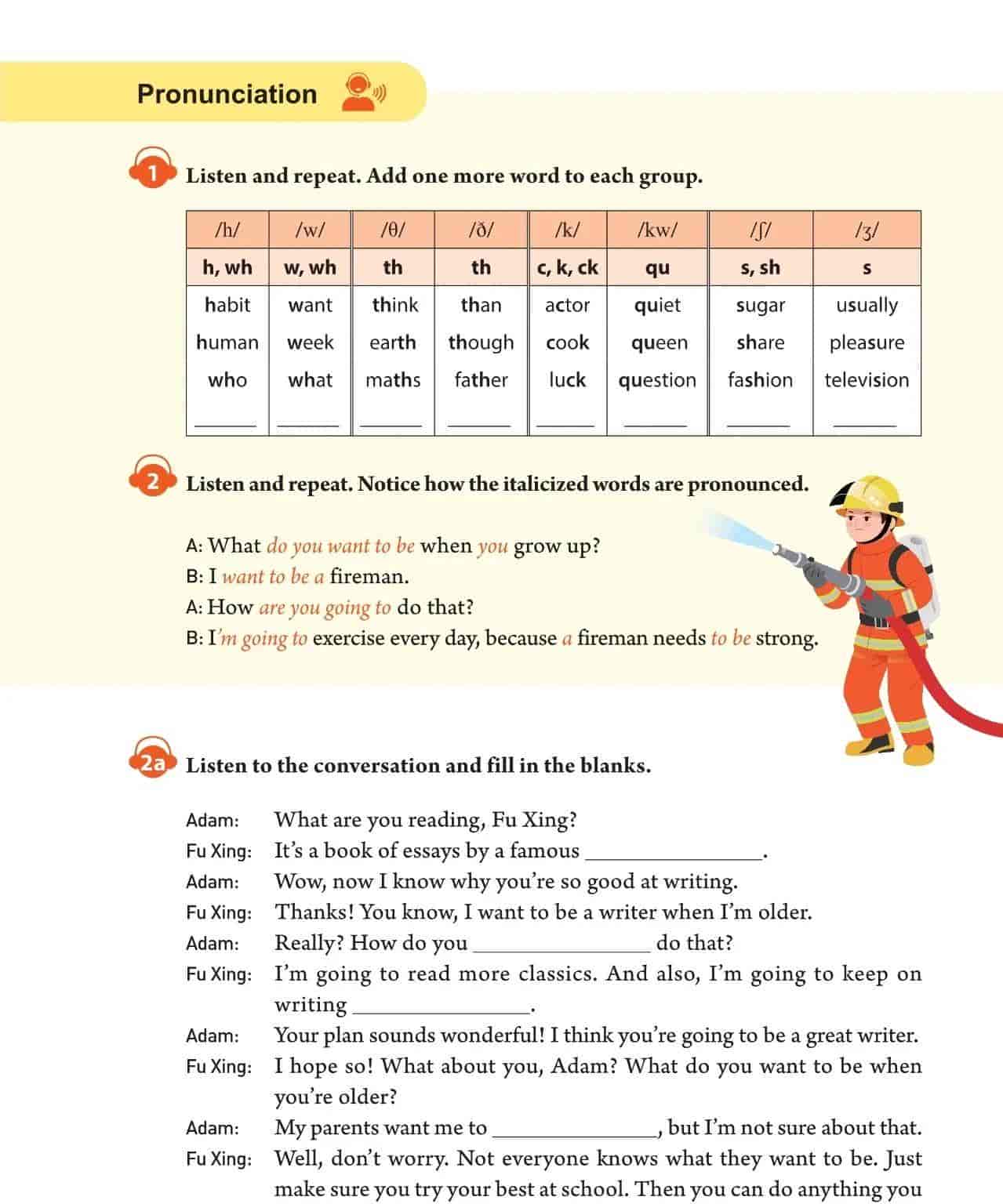
essay /ˈeseɪ/ n. 小品文;文章
classic /ˈklæsɪk/ n. 经典作品;名著 adj. 最优秀的;古典的
keep on doing sth 继续做;反复做
make sure 确保;保证
try one’s best 尽最大努力
literature /ˈlitrətʃə(r)/ n. 文学;文献
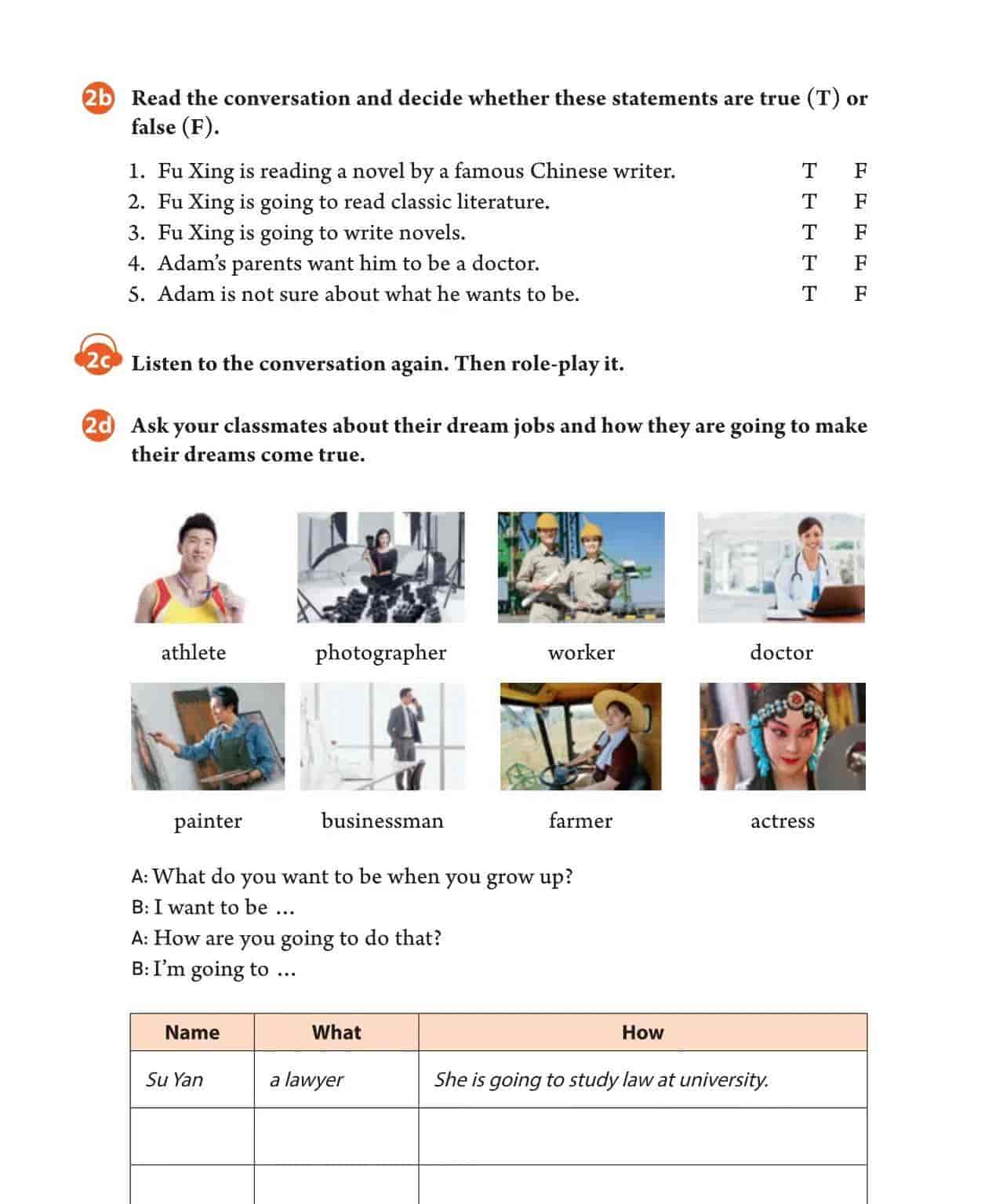
athlete /ˈæθliːt/ n. 运动员
photographer /fəˈtɒɡrəfə(r)/ n. 摄影师;拍照者
painter /ˈpɛmtə(r)/ n. 画家;油漆匠
businessman /ˈbɪznəsmæn/ n. 商界人士;企业家
actress /ˈæktrsə/ n. 女演员
lawyer /ˈlɔːjə(r)/ n. 律师
law /lɔː/ n. 法律;法规
bath /bɑːθ/ n. 洗澡;浴缸
miss /mis/ v. 想念;错过
be tired of 对……感到厌倦
able /ˈeɪbl/ adj. 能够;有才能的
stick /stɪk/ v. (stuck /stak/) 粘贴;将……刺入 n. 枝条;棍
stick to sth 坚持;维持
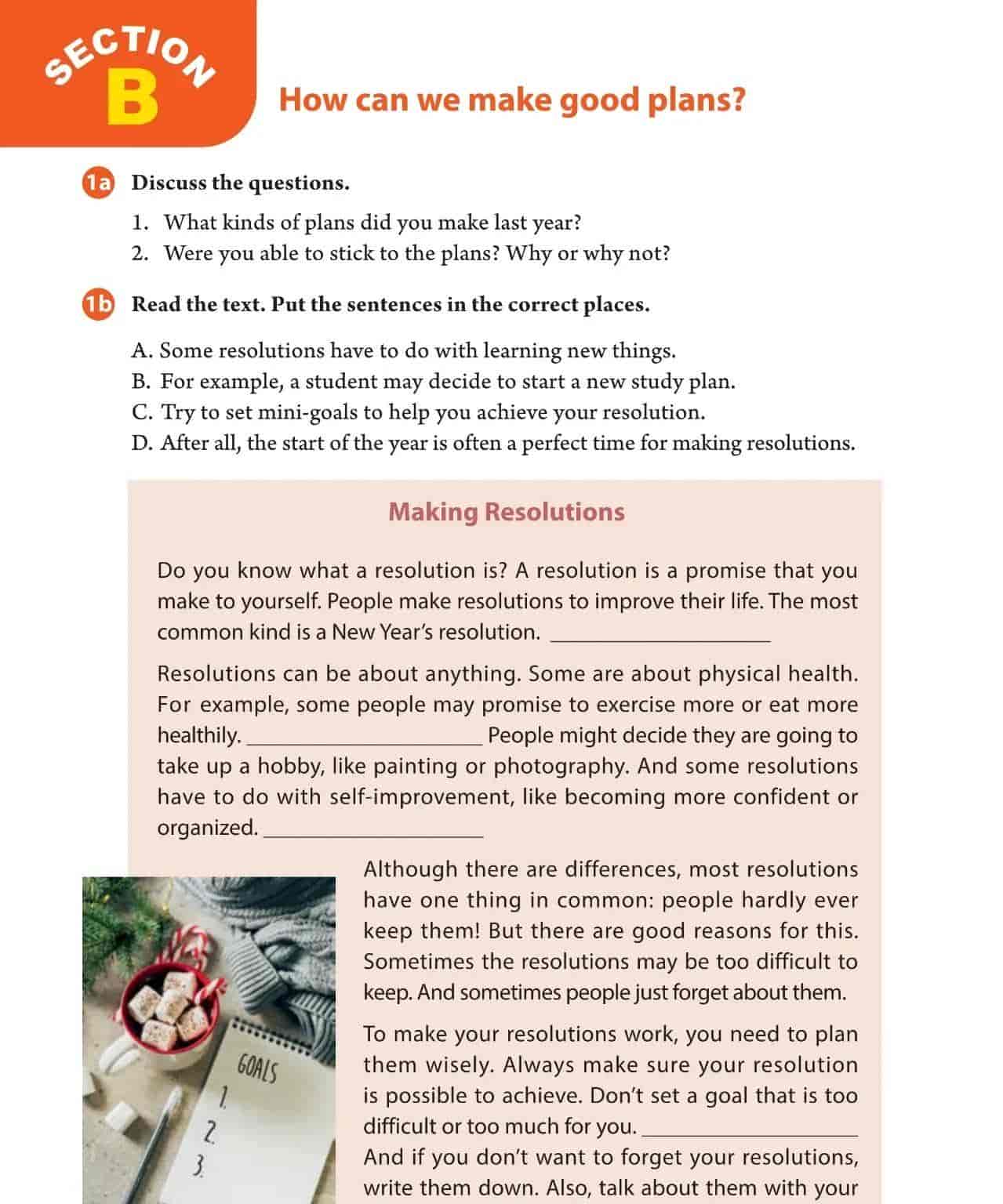
resolution /ˌrezəˈluːʃn/ n. 决定;决议
have (…) to do with sb/sth 与……有关系
mini-goal /ˈmɪmˈɡəʊl/ n. 小目标
achieve /əˈtʃiːv/ v. (经过努力) 达到;完成
physical /ˈfɪzikl/ adj. 身体的;物质的
health /helθ/ n. 健康
healthy /ˈhelθili/ adv. 健康地
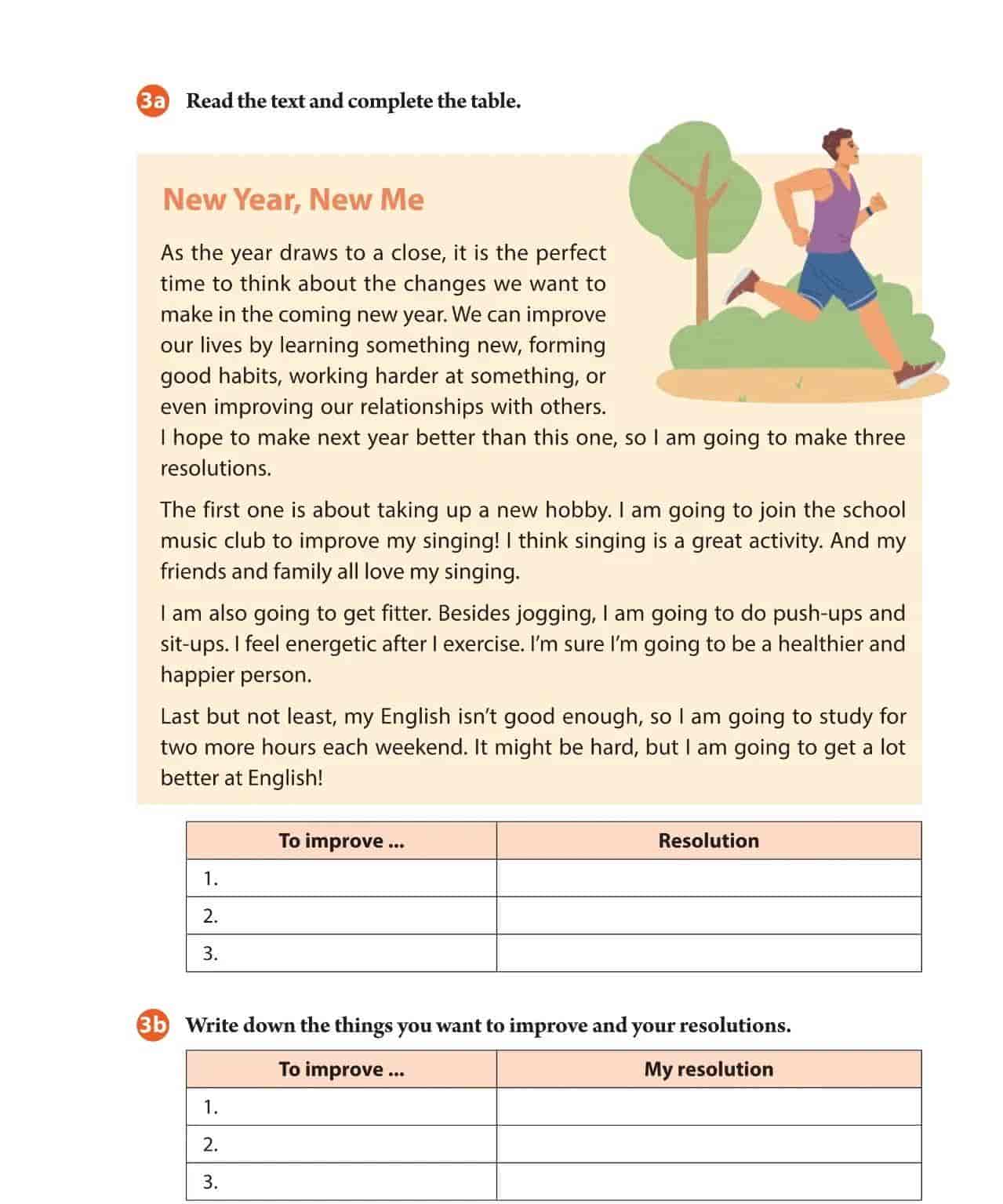
take up 开始学;开始从事
【take up的用法归纳】
1、表明“开始从事、开始学习”
①后接具体活动或爱好:表明开始做某项活动或培养某种爱好。如:
take up painting开始学绘画
take up swimming开始学游泳
take up dancing开始学跳舞
②后接课程或工作:表明开始学习某门课程或从事某项工作。如:
take up English开始学习英语
take up the job开始做这份工作
take up teaching开始从事教学工作
2、表明“占用、占据”
①占用时间:指某事或某人花费了必定的时间。Meetings and phone calls take up a large part of the day开会和接电话占用了一天中的大部分时间
The project took up most of my time last week.这个项目占用了我上周的大部分时间。
②占用空间:表明占据必定的空间。
The new machine takes up a lot of space in the workshop.这台新机器占用了车间的许多空间。
The books take up too much room on the shelf。这些书在书架上占用了太多空间。
3、表明“接受、承担”
①接受邀请、提议等:表明接受某人的邀请、提议或提议等。
Why don't you take him up on his offer of a meal?你为什么不接受他请你吃饭的提议呢?
I took up her invitation to the party我接受了她去参与派对的邀请。
②承担任务、责任等:指承担某项任务、责任或工作等。
He took up the responsibility of leading the team.他承担起了带领团队的责任。
She took up the challenge to solve the difficult problem.她接受了解决这个难题的挑战。
4、表明“继续、接续”
①接续故事、话题等:表明从某个地方或某个点开始继续进行。
I'll take up the story where I finished yesterday.我会从我昨天讲完的地方继续讲这个故事。
Let's take up the discussion where we left off让我们从我们上次结束的地方继续讨论。
②接续工作、任务等:指继续完成之前未完成的工作或任务。
He took up the work where his colleague left off.他从同事离开的地方继续工作。
The new manager took up the project where the previous one had stopped.新经理从前任经理停止的地方接过了这个项目。
5、表明“拿起、拿走”
①拿起物品:表明用手或其他方式拿起某个物品。
Take up the book and read it carefully.
拿起书仔细阅读。
He took up the pen and started writing.
他拿起笔开始写。
②拿走、带走:指将某物从一个地方拿到另一个地方。
Take up the dirty clothes and put them in the washing machine.把脏衣服拿起来放进洗衣机。The thief took up the valuable paintings and left quickly.小偷拿走有价值的画后迅速离开了。
photography /fəˈtɒɡrəfi/ n. 照相术;摄影
self-improvement /ˌselfɪmˈpruːvmənt/ n. 自我改善;自我提高
confident /ˈkɒnfɪdənt/ adj. 自信的;肯定的
organized /ˈɔːɡənazd/ (= organised) adj. 有条理的;有组织的
wisely /ˈwaizli/ adv. 机智地;明智地
possible /ˈpɒsəbl/ adj. 可能的;合理的
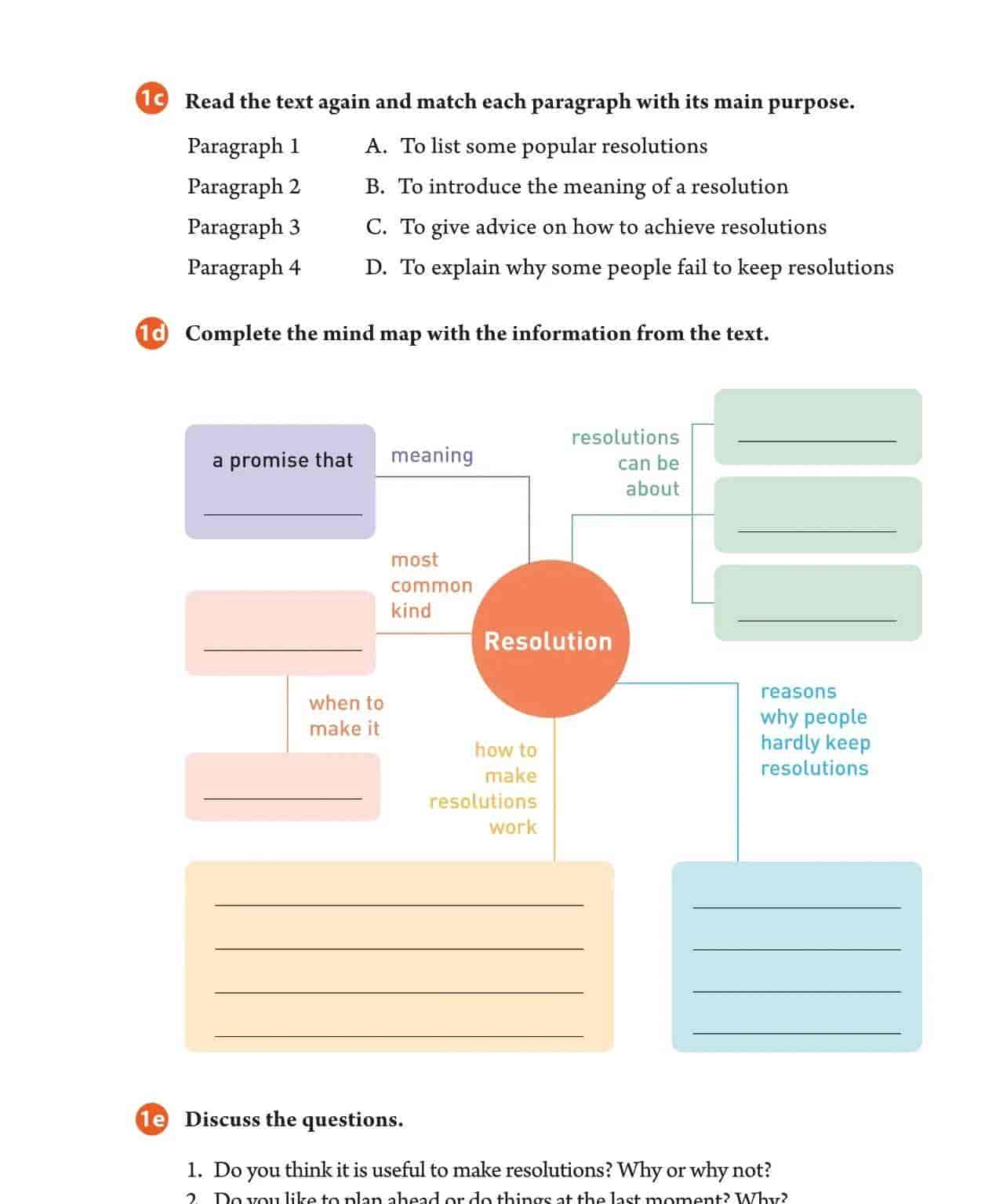
paragraph /ˈperəɡrɑːf/ n. 段;段落
introduce /ˌɪntrəˈdjuːs/ v. 介绍;引见;引进
meaning /ˈmiːnɪŋ/ n. 意义;含义
fail /feɪl/ v. 未能(做到);失败
ahead /əˈhed/ adv. 提前;在前面
put out 扑灭;把……摆好
design /dɪˈzaɪn/ v. 设计;计划 n. 设计;花纹
bridge /brdʒ/ n. 桥
final /ˈfaml/ adj. 最后的;最终的 n. 决赛
confidence /ˈkɒnfɪdəns/ n. 信心;信任
draw to a close 即将结束;即将完成
form /fɔːm/ v. (使) 形成;组成 n. 类型;形式
relationship /rɪˈleɪʃnʃɪp/ n. 关系;联系
push-up /ˈpʊʃʌp/ n. 俯卧撑
energetic /ˌenəˈdʒetɪk/ adj. 精力充沛的;充满活力的
last but not least 最后但同等重大的
Jason /ˈdʒeɪsən/ 贾森
Tina /ˈtiːnə/ 蒂娜
© 版权声明
文章版权归作者所有,未经允许请勿转载。
相关文章


暂无评论...