

Psychiatrist Michael Hunter and fellow researchers at the University of Sheffield in England, back in 2005, monitored the brain activity of 12 men as they listened to voice recordings and found that they process male voices differently from those of females.
2005年,英国谢菲尔德大学的精神病学家迈克尔·亨特(Michael Hunter)及其同事监测了12名男性在听语音录音时的大脑活动,发现他们对男性与女性声音的处理方式存在差异。
Women’s voices stimulate an area of the brain for processing complex sounds, like music.
女性的声音会激活大脑中负责处理复杂声音(如音乐)的区域。
Male voices activate the “mind’s eye,” a brain region used for conjuring imagery.
而男性的声音则会激活所谓的“心灵之眼”——大脑中负责生成视觉想象的区域。

One reason, Hunter suggested, was that women generally have shorter vocal cords and a smaller larynx, giving them higher-pitched voices.
亨特指出,其中一个缘由可能是女性的声带较短、喉部较小,因此声音音调更高。
Women’s voices may also have more “natural melody,” he added. Qualities like pitch and volume vary more during speech.
他补充说,女性的声音还可能具有更“自然的旋律感”,在说话时音高与音量变化更多。
“There’s more prosody in female speech.”
“女性的语言中包含更多的韵律特征。”
Newspaper articles about Hunter’s research said that men find the female voice more difficult to hear and understand. But Hunter thought the opposite was true.
一些报道亨特研究的报纸文章称,男性认为女性的声音更难听清和理解,但亨特本人却认为恰恰相反。
Because the brain is deciphering the modulation in women’s voices, a female voice might be able to communicate more information per sentence than a male voice.
由于大脑在解码女性声音中的调制变化,女性声音或许在每句话中能传递更多的信息。
“Most people at a railway station say female announcers are clearer,” he said. “Maybe it’s this added input.”
“在火车站,大多数人认为女播音员的声音更清晰,”他说,“也许正是由于这种额外的信息输入。”
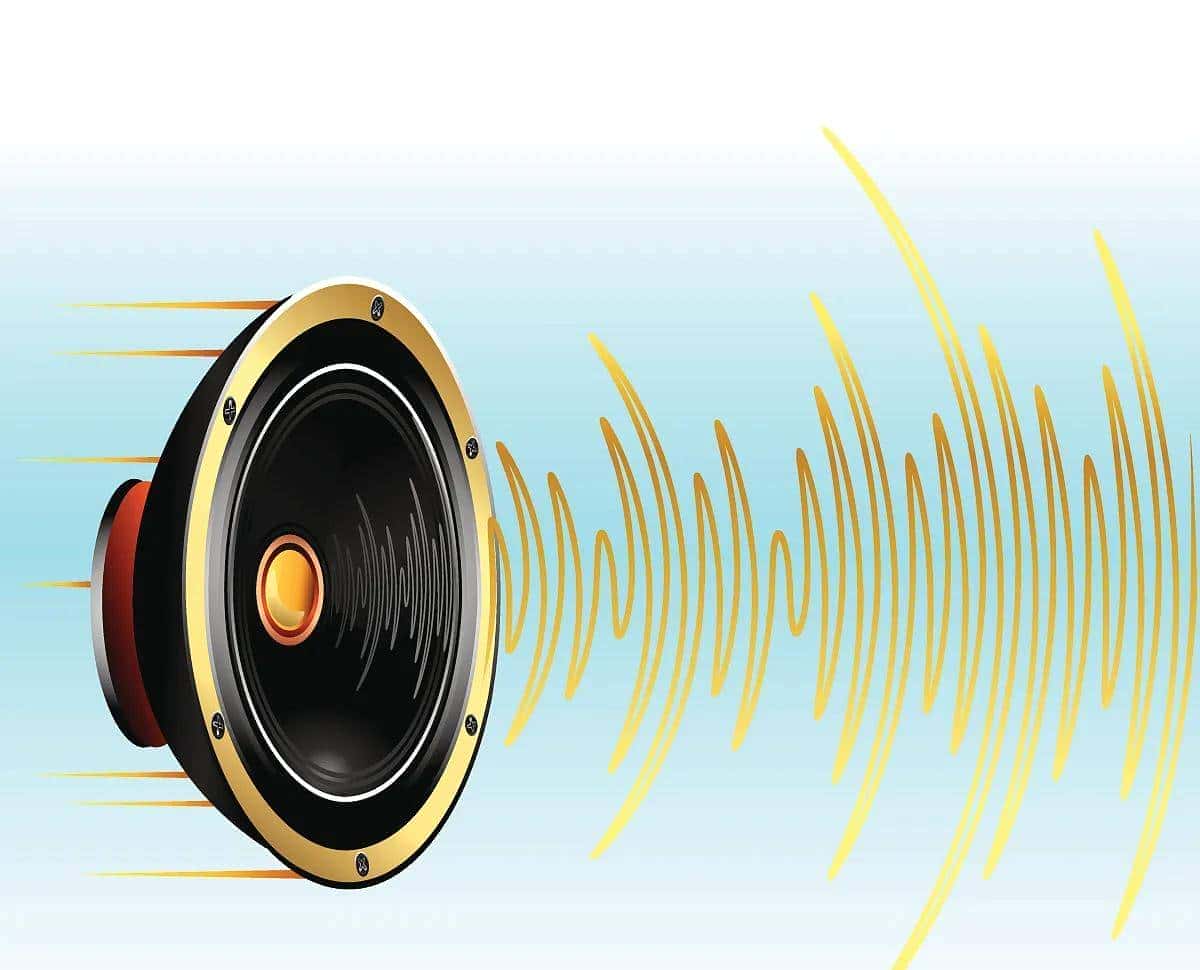
Hunter speculated about why the male voice activates the brain’s visual region: “Perhaps men listening to male voices try to picture what the speaker looks like.”
亨特推测,男性声音之所以会激活大脑的视觉区域,可能是由于“男性在听到其他男性的声音时,会尝试想象说话者的外貌。”
Hunter’s findings also explain why hallucinations usually involve male voices.
亨特的发现还解释了为什么幻听一般以男性声音为主。
“If the brain had to produce a voice from nothing, it might go for a more basic version—the male voice.”
“如果大脑需要凭空生成一个声音,它可能会选择一种更基础的形式——男性声音。”
——————
精选词汇
【psychiatrist】/saɪˈkaɪətrɪst/ n. a doctor specializing in mental health. 精神科医生。
例句:The psychiatrist analyzed the brain scans for differences in perception.
精神科医生分析了大脑扫描中的感知差异。
【monitor】/ˈmɒnɪtər/ v. to observe or check continuously. 监测,观察。
例句:Scientists monitored brain activity during the experiment.
科学家在实验中监测大脑活动。
【stimulate】/ˈstɪmjʊleɪt/ v. to activate or encourage a response. 刺激;激活。
例句:Music stimulates multiple areas of the brain.
音乐能激活大脑的多个区域。
【conjure】/ˈkʌndʒər/ v. to bring to mind; to imagine. 使浮现于脑海;想象。
例句:The story conjured vivid images in the listener’s mind.
故事在听众脑中唤起了生动的画面。
【imagery】/ˈɪmɪdʒəri/ n. mental pictures or visualizations. 形象;意象。
例句:Poetry often relies on powerful imagery to evoke emotion.
诗歌常借助强烈的意象来激发情感。
【larynx】/ˈlærɪŋks/ n. the organ containing the vocal cords; the voice box. 喉;发声器官。
例句:In humans, the larynx is located at the top of the trachea.
在人类中,喉位于气管的上端。
【vocal cords】/ˈvəʊkəl kɔːdz/ n. folds of tissue that produce sound. 声带。
例句:Shorter vocal cords generally produce higher-pitched sounds.
较短的声带一般会发出更高的声音。
【pitch】/pɪtʃ/ n. the highness or lowness of a sound. 音高。
例句:Her voice had a higher pitch than his.
她的声音比他的音调更高。
【melody】/ˈmelədi/ n. a sequence of musical tones. 旋律。
例句:There is a natural melody in her speech.
她的说话中带着自然的旋律。
【prosody】/ˈprɒsədi/ n. rhythm, stress, and intonation in speech. 韵律;语调节奏。
例句:Children learn language partly by imitating prosody.
孩子们部分通过模仿语音韵律来学习语言。
【decipher】/dɪˈsaɪfər/ v. to decode or interpret something complex. 解码;破译。
例句:The brain deciphers subtle tonal variations in speech.
大脑会解读语音中的细微音调变化。
【modulation】/ˌmɒdjʊˈleɪʃən/ n. change or variation in tone or pitch. 调制;音调变化。
例句:Good speakers use voice modulation to maintain attention.
优秀的演讲者通过语调变化来保持听众注意力。
【clarity】/ˈklærəti/ n. the quality of being clear or easy to understand. 清晰度。
例句:The clarity of the female announcer’s voice impressed listeners.
女播音员清晰的声音让听众印象深刻。
【announcer】/əˈnaʊnsər/ n. a person who makes public announcements. 播音员。
例句:The announcer’s voice guided passengers efficiently.
播音员的声音有效引导了乘客。
【input】/ˈɪnpʊt/ n. contribution or influence to a process. 输入;贡献。
例句:Emotional input can shape how information is perceived.
情感输入会影响信息的感知方式。
【speculate】/ˈspekjʊleɪt/ v. to form a theory without firm evidence. 推测;猜想。
例句:Scientists speculate about the brain’s visual involvement.
科学家推测大脑视觉区参与了这一过程。
【activate】/ˈæktɪveɪt/ v. to cause to function or start working. 激活;启动。
例句:The sound of a familiar voice activates emotional centers.
熟悉的声音会激活情感中枢。
【region】/ˈriːdʒən/ n. an area or section of something, especially the body or brain. 区域。
例句:The auditory region processes sound signals.
听觉区域负责处理声音信号。
【hallucination】/həˌluːsɪˈneɪʃən/ n. a false sensory experience, such as hearing voices. 幻觉。
例句:Auditory hallucinations are common in certain mental disorders.
听觉幻觉在某些精神疾病中很常见。
【decoding】/diːˈkəʊdɪŋ/ n. interpreting or making sense of signals. 解码;解析。
例句:Speech decoding occurs rapidly in the auditory cortex.
语音解码在听觉皮层中迅速进行。
【visualization】/ˌvɪʒuələˈzeɪʃən/ n. forming mental images. 视觉化;想象。
例句:Visualization can help in remembering spoken words.
视觉化有助于记忆口语内容。
【melodic】/məˈlɒdɪk/ adj. having a pleasing musical sound. 有旋律的;悦耳的。
例句:Her melodic tone made the lecture engaging.
她富有旋律的语调让讲座更吸引人。
【intonation】/ˌɪntəˈneɪʃən/ n. the rise and fall of the voice in speaking. 语调。
例句:Different intonations can change a sentence’s meaning.
不同的语调可以改变句子的含义。
【auditory】/ˈɔːdɪtəri/ adj. related to hearing. 听觉的。
例句:The auditory cortex processes sound waves into meaning.
听觉皮层将声波转化为意义。
【perception】/pərˈsepʃən/ n. awareness or understanding through the senses. 感知。
例句:Voice perception varies among individuals.
不同个体的声音感知存在差异。
【variation】/ˌveəriˈeɪʃən/ n. a change or difference. 变化;差异。
例句:Speech variation adds emotional tone to communication.
语音变化为交流增添情感色彩。
【fundamental】/ˌfʌndəˈmentəl/ adj. basic and essential. 基本的;根本的。
例句:Pitch and tone are fundamental to vocal communication.
音高和音色是语言交流的基础。
【derive】/dɪˈraɪv/ v. to obtain or originate from. 来源于;得到。
例句:Differences in voice pitch derive from anatomical structure.
音高差异源于解剖结构的不同。
【interpretation】/ɪnˌtɜːprɪˈteɪʃən/ n. the act of explaining meaning. 解释;诠释。
例句:Hunter’s interpretation challenged earlier assumptions.
亨特的解释挑战了以往的假设。
© 版权声明
文章版权归作者所有,未经允许请勿转载。












Why do men and women have different voices?
感谢分享👏