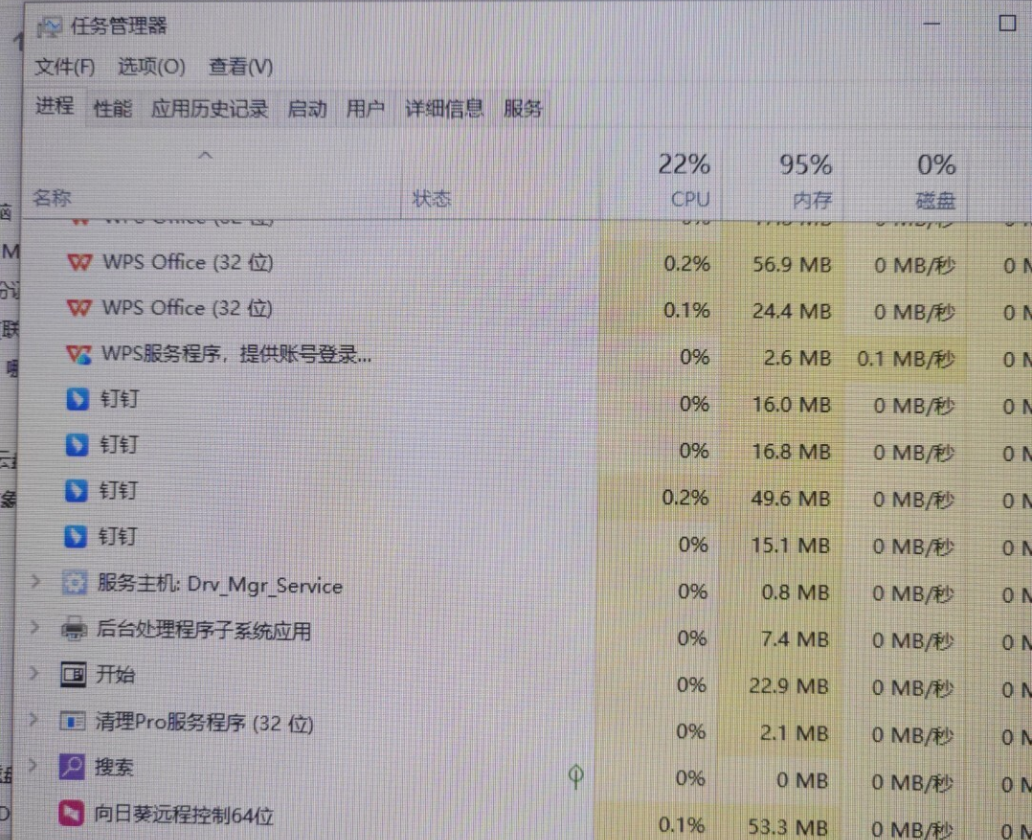
今年4月24日是“国际信息通信年轻女性日”。联合国开发计划署驻华代表乔展(James George)在《中国日报》和《中国网》撰文称,在人工智能迅速发展的背景下,必须确保女性不被时代甩在后面,否则既有不平等可能进一步加剧。

图片来源:中国日报
包容性发展人工智能刻不容缓
文章指出,人工智能——这个时代最具标志性的发明之一,正在改变世界各地人们的生活。正如电力和互联网曾经带来的颠覆性变革一样,人工智能同样蕴藏着加速发展进程的巨大潜力,尤其是在健康、教育、公共服务和治理等领域。
Artificial intelligence, one of the most defining inventions of our time, has the potential to accelerate development,particularly in areas such as health, education, public services and governance. Like electricity and the internet before it,AI is already transforming lives everywhere.
不过,对于全球年轻女性和女孩而言,人工智能不仅关乎创新,也关乎机会:谁能够参与其中,谁会被时代甩在后面,谁又能够塑造未来。
For millions of girls and young women, though, AI is not just a story about innovation, but also about opportunity:who gets to participate, who gets left behind, and who gets to shape the future.
在“国际信息通信年轻女性日”这一背景下,这一问题显得尤为紧迫:新一轮技术变革究竟会为女孩和年轻女性打开更多机会,还是进一步加深她们本已面临的发展鸿沟?
As the world marks the International Girls in ICT Day 2026 on Thursday, under the theme “AI for Development: Girls shaping the digital future”, it is pertinent to ask whether the next wave of technological transformation will expand opportunities for young women or deepen the barriers they already face.
性别鸿沟与数字排斥
若缺乏科学有效的治理,人工智能极有可能进一步加剧国家内部以及国家之间的不平等,这一风险在亚太地区尤为突出。目前,亚太地区仍有2亿人深陷极端贫困,13亿非正规就业者几乎无法获得社会保障。与此同时,该地区仅有14%的人口使用人工智能,这意味着多达37亿人可能被排除在这场技术变革之外。女性和女孩受到的冲击尤为显著,由于她们往往处于性别、年龄、收入和地域等多重鸿沟的交汇点。
Indeed, unless carefully managed, AI has the potential to exacerbate inequalities both within and between nations, especially in Asia and the Pacific, a region where about 200 million people live in extreme poverty, and 1.3 billion informal workers have few social protection measures. With only 14 percent of people in the region using AI, as many as 3.7 billion people may be left behind. As they often sit at the intersection of multiple divides — gender, age, income and geography — women are more likely to be employed in positions that are vulnerable to automation.
第一,女性更易聚焦在那些更容易被人工智能完全自动化的岗位上。由于长期存在的职业分隔,文书和行政类岗位多由女性承担,而这类岗位被人工智能替代的概率是其他岗位的两倍。与此同时,全球人工智能从业者中,女性占比仍不足四分之一。
Already, many women work in clerical and administrative capacities, which are statistically twice as likely to be replaced by AI technologies.At the same time, globally, less than a quarter of AI professionals are women.
其次,数以百万计的女性仍缺乏有效使用人工智能的基本条件。在南亚,女性拥有智能手机的概率比男性低40%。如果连数字设备都无法获得,人工智能就难以在学习、生计、创业或获取公共服务等方面发挥实际价值。对于正在求学或即将步入职场的女孩和年轻女性而言,数字排斥很快就会演变为经济排斥。
Second, millions of women still lack the tools needed to use AI productively.In South Asia, they are about 40 percent less likely to own a smartphone. Without access to a device, AI cannot support learning, livelihoods, entrepreneurship, or access to public services.
For girls and young women trying to study or enter the workforce, digital exclusion can quickly become economic exclusion.
在数据层面,女性和女孩所遭遇的不平等也可能进一步加剧。许多人工智能模型所依赖的训练数据长期以男性经验和样本为主,缺乏对女性群体的充分覆盖。当这些模型被应用于信用评分、招聘等关键场景时,由于对女性样本识别不足,往往更容易将女性错误归类为“高风险”群体,从而限制她们获得金融服务和就业机会。实际上,女性和女孩面临的这些风险并非孤立存在,而是人工智能可能在整个社会经济体系中加剧各类不平等与分化的具体体现。
Third, AI models for credit scoring, recruiting, and other vital tasks are trained on male-dominated data. Systems that seldom see women, frequently misclassify them as “high risk”, denying them access to finance, or jobs.
The risks facing women and girls are part of a broader set of divides that AI could deepen across societies and economies.
多重分化趋势正在扩大
文章进一步表明,除性别鸿沟外,人工智能带来的代际分化也在持续扩大。自2022年以来,在受人工智能影响最显著的行业中,22至25岁青年的就业岗位下降了6%,这表明人工智能正在不断压缩青年进入劳动力市场的初级岗位空间。对于本就面临社会和数字鸿沟的年轻女性而言,这意味着她们从教育阶段走向体面就业的过渡可能变得更加艰难。
For example, AI divides along generational lines are also growing. In the most exposed sectors, jobs held by 22 to 25-year-olds have fallen by 6 percent since 2022.
人工智能的快速发展,还伴随着不容忽视的生态成本。据预测,到2030年,与人工智能相关的数据中心电力消耗预计将增加一倍以上;同时,随着数据中心产生大量热能,其对水冷系统的依赖日益加深,预计每日耗水量将达到约17亿升。对于那些依赖化石燃料、同时承载全球人工智能运行所需高耗能“数据农场”的经济体而言,它们可能付出高昂的“地球代价”——更高的碳排放、更大的能源消耗和更重的资源压力——却只能获得相对有限的发展回报。
AI also carries a high ecological cost. Its electricity consumption is expected to more than double by 2030.
As excessive heat is created, data centers rely on water cooling, which is estimated to use around 1.7 billion litres of water per day by 2030.
Fossil-fuel-based economies hosting energy-intensive “data farms” for global AI could pay a high price — in emissions, energy use and resource strain — with relatively lower returns.
性别、代际以及国家之间这些能力差距和脆弱性鸿沟,正共同塑造这样一种发展局面:人工智能往往优先惠及那些准备更充分的人群和地区,而它带来的冲击,却可能最先落在最无力应对的人身上。
当大量人口缺乏获取人工智能等通用技术的途径或相关技能时,受限的不仅是个体发展机会,整个社会经济的发展步伐也会受到拖累。
These capability and vulnerability gaps — between genders, generations and nations — are creating a world in which AI will benefit well-prepared people and places, while those least able to adapt are hit hardest.
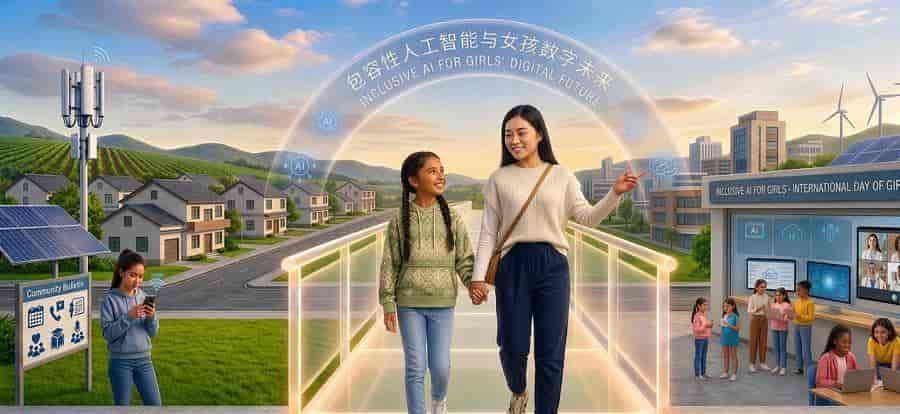
图片来源:中国网(图片由AI生成)
推动包容性发展大有可为
联合国开发计划署近期发布的区域报告《新一轮大分化:人工智能为何会加剧国家间不平等》指出,各国政府若要避免这一局面,必须紧急行动起来,扩大数字接入、提升数字素养,并强化相应的保障机制。具体而言,可从三个方面发力:
UNDP's recent regional report on “The Next Great Divergence” explains how governments can avoid this, by urgently expanding digital access, literacy and safeguards.
第一,推动普惠接入和互联互通。这不仅关乎包容发展,也关乎国家竞争力。各国应着力缩小女性和农村地区人群在智能手机拥有率方面的差距;同时,还可以将算力、数据和模型等人工智能基础能力作为区域性公共产品协同建设,扩大其可及性。通过资源整合与能力共享,东盟国家可不断增强自身能力,降低对少数全球大型科技平台的过度依赖,例如共同建设东盟人工智能研究云。国家之间的合作,以及国家内部健全的监管框架,将在这一过程中发挥关键作用。亚太经合组织也在努力弥合这些差距,呼吁在自由贸易和数字协定框架下加强人工智能合作,推动形成更统一的人工智能监管规则与政策。作为2026年亚太经合组织会议东道主,中国也明确提出,应加强前沿技术合作,扩大数字公共服务覆盖面。
First, enable universal access and connectivity by closing smartphone ownership gaps among women and rural users.
Countries can also widen access by developing AI enablers — such as computer infrastructure, data and models — as regional public goods. By pooling resources and sharing capabilities, ASEAN nations can lean less on global tech companies — for example, by building their own ASEAN AI research cloud, along with regulatory frameworks. Another platform seeking to bridge gaps is APEC, which has called for greater AI cooperation in free trade and digital agreements, along with consistent AI regulations and policies.
As APEC Chair in 2026, China is also urging countries to collaborate on frontier technologies and expand digital public services.
第二,各国应通过将公平原则嵌入人工智能系统设计,营造更公平的竞争环境,并防范算法伤害。尤其是在信贷、招聘等关键领域,人工智能系统应接受性别偏见测试,确保其使用的数据集具有充分代表性。
Second, countries can level the playing field and prevent algorithmic harm by enforcing “equity by design”. In particular, AI systems in critical areas such as credit and hiring should be tested for gender bias, while requiring representative datasets.
第三,各国还需要进一步发展人力资本,赋能人们更有效地使用人工智能。对于包括女孩和年轻女性在内的弱势群体,应尽早提供相关技能教育,让她们未来能够借助人工智能提升生计质量,而非被技术所替代。目前,在亚太农村地区,能够完成简单数字任务的人口比例不足20%。因此,仅仅部署新系统、配备硬件设备远远不够——各国还需加大对计算机和数据科学教育的投入,并将人工智能素养融入整个社会的教育体系。
Third, governments need to empower people to use AI more effectively. This means providing skills education to vulnerable groups including women from an early age. This will allow them to ultimately use AI to enhance their future livelihoods.
With fewer than 20 percent of rural Asia-Pacific residents capable of simple digital tasks, it is not enough to simply deploy new systems and hardware:countries must invest in education across computer and data sciences, and embed AI literacy across society.
各国携手方能实现共赢
在中国,一系列务实的解决方案正逐步落地。例如,自2023年以来,联合国开发计划署通过“她x数字未来”训练营,与非政府组织和联合国志愿人员组织合作,协助农村地区超过7000名女童接触并实践包括人工智能在内的新兴技术,并将这些技能用于应对垃圾管理等日常发展问题。
In China, UNDP has worked with NGOs and United Nations Volunteers through its HER Digital Future bootcamp since 2023,enabling more than 7,000 girls in rural areas to gain hands-on exposure to emerging technologies, including AI, and apply these skills to solve local challenges such as waste management and other everyday development issues.
在应对人工智能挑战的过程中,各国推进的速度不会一致,也不应一致。不同国家的政策路径,取决于各自不同的发展起点。适用于中国的做法,并不必定适用于其他国家,后者有其自身独特的发展阶段、优先事项和现实需求。为此,联合国开发计划署提出了基于各国能力和行业差异的分层路径,推动各国循序渐进、切实可行地实现人工智能发展目标:
In addressing AI challenges, countries will not move at the same pace, nor should they. Policy steps of individual countries depend on their various starting points.UNDP proposes different AI roadmaps, based on national capacities and sectors, for realistic progress on AI ambitions.
对于能力基础较弱的国家和地区,应优先扩大基础连接能力,发展可离线运行的人工智能应用。例如,在医疗分诊、农业支持等场景中,即便在宽带受限地区,也能发挥实际价值。
对于处于转型阶段的经济体,可在已有成功试点基础上扩大规模,建设公共数据基础设施,并同步完善隐私保护和治理框架。
对于能力较强的国家,则有机会在人工智能标准制定、安全治理和可持续发展方面发挥引领作用。它们可以加强监管监督,倡导更节能高效的人工智能研究,并通过区域合作分享经验与知识。
Lower-capacity contexts should expand basic connectivity, as well as offline-capable AI.For instance, in healthcare triage or agricultural support, bringing value where broadband is limited.
Transitional-capacity economies can grow proven pilots,develop civic data infrastructure, as well as build privacy and governance frameworks.
Higher-capacity countries have an opportunity to lead standards, safety, and sustainability efforts.They can enhance regulatory oversight, advocate for energy-efficient AI research, and share expertise through regional cooperation.
这些分层路径,有助于各国立足自身现实,找到适配的技术路线,夯实可持续发展的基础。若能及早采取行动,未来有望将区域经济增长进一步提升2%。
These tiered strategies can help countries build on foundations that they can sustain, with technologies that match their national and institutional realities. Ensuring this could boost regional growth by 2 percent in the future.
文章最后强调,这种进步究竟为谁服务,才是更重大的问题。
对今天的女孩和年轻女性而言,这是一场关乎未来的押注。我们今天在接入、技能和保障机制上的选择,将决定人工智能究竟会成为通向机会的阶梯,还是又一道必须跨越的障碍。
归根结底,衡量人工智能是否成功的标准,不在于它有多先进,而在于它是否真正拓展了每一个人的能力与机会。
But the more important question is who that progress serves. The decisions made today about AI access, skills and safeguards will determine whether this technology becomes a ladder to opportunity or another barrier to overcome.Ultimately, the measure of AI's success will not be the sophistication of the technology itself, but whether it helps to truly expand the capabilities of everyone.

© 版权声明
文章版权归作者所有,未经允许请勿转载。
相关文章



暂无评论...