欢迎收听英国河北微电台
邯郸成语talk show
第一期:围魏救赵
Besiege Wèi to rescue Zhào
英文vs中文.mp33:47
来自英伦飞鸿河北微电台
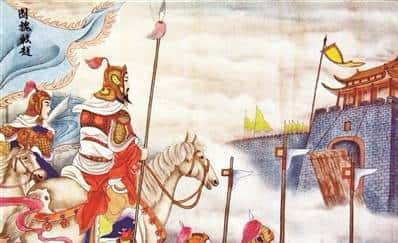
围魏救赵,最早出自于《史记》卷六五《孙子吴起列传》。公元前354年,赵国进攻卫国,迫使卫国屈服于赵国。卫国原来是入朝魏国的,目前改向亲附赵国,魏惠王不由十分恼火,于是决定派庞涓讨伐赵国。不到一年时间,庞涓便攻到了赵国的国都邯郸。邯郸危在旦夕。赵国国君赵成侯一面竭力固守,一面派人火速奔往齐国求救(此时,赵国与齐国结盟)。齐威王任命田忌为主将,以孙膑为军师,率军救赵。孙膑出计,要军中最不会打仗的齐城、高唐佯攻魏国的军事要地——襄陵,以麻痹魏军。而大军却绕道直插大梁。庞涓得到魏惠王的命令只得火速反国救援。魏军为疲惫之师,怎能打过齐国以逸待劳的精锐之师。所以大败。
所谓围魏救赵,是指当敌人实力强劲时,要避免和强敌正面决战,应该采取迂回战术,迫使敌人分散兵力,然后抓住敌人的薄弱环节发动攻击,致敌于死地。这个典故是指采用包抄敌人的后方来迫使它撤兵的战术。它也是三十六计中相当精彩的一种智谋,它的精彩之处在于,以逆向思维的方式,以表面看来舍近求远的方法,绕开问题的表面现象,从事物的本源上去解决问题,从而取得一招致胜的神奇效果
本指围攻魏国的都城以解救赵国。现借指用包抄敌人的后方来迫使它撤兵的战术。
共敌不如分敌;敌阳不如敌阴。这句话出自36计,用来解释围魏救赵是进攻兵力集结的部位,不如打击敌人兵力分散的部位;攻击敌人阳刚的部分,不如攻击敌人薄弱的部位的意思。这里的想法是避免与强劲的敌人正面交锋,而是在其他地方攻击他的弱点。 这将迫使强劲的敌人撤退以支持其弱点。 与目前疲倦且士气低落的敌人作战将为他们带来更大的成功机会。
When the enemy is too strong to be attacked directly, then attack something he holds dear. Know that he cannot be superior in all things. Somewhere there is a gap in the armour, a weakness that can be attacked instead.
The origin of this proverb is from the Warring States Period. The state of Wèi attacked Zhao and laid siege to its capital Handan. Zhào turned to Qí for help, but the Qí general Sun Bin determined it would be unwise to meet the army of Wèi head on, so he instead attacked their capital at Daliang. The army of Wèi retreated in haste, and the tired troops were ambushed and defeated at the Battle of Guiling, with the Wèi general Pang Juan slain on the field. Note that this campaign is also described explicitly in the Art of War of Master Sun Bin the younger.
The idea here is to avoid a head on battle with a strong enemy, and instead strike at his weakness elsewhere. This will force the strong enemy to retreat in order to support his weakness. Battling against the now tired and low-morale enemy will give a much higher chance of success.
© 版权声明
文章版权归作者所有,未经允许请勿转载。
相关文章




暂无评论...